Are Tinctures Actually Effective? What Science Says
Yes, tinctures are effective—especially when taken sublingually. They offer faster onset than edibles (15–30 minutes), higher bioavailability, and precise dosing, making them a reliable option for many users.
Are tinctures actually effective? How they compare to edibles, smoking, and vaping
Tinctures are effective, but their performance depends on how you use them and what you compare them to. Below is a direct comparison of key factors.
| Factor | Tinctures (sublingual) | Edibles | Smoking | Vaping |
|---|---|---|---|---|
| Onset time | 15–30 minutes | 30–90 minutes | Seconds to minutes | Seconds to minutes |
| Duration | 2–4 hours | 4–8 hours | 1–3 hours | 1–3 hours |
| Bioavailability | 20–40% (sublingual) | 4–20% (first-pass metabolism) | 30–50% | 40–60% |
| Dosing precision | High (dropper) | Moderate (variable absorption) | Low | Moderate |
| Discretion | High (no smoke, minimal odor) | High | Low | Moderate |
| Health impact | No respiratory irritation | No respiratory irritation | Respiratory risks | Fewer toxins than smoking |
While tinctures and edibles are effective, tinctures offer faster onset and more predictable dosing. Smoking and vaping provide quicker effects but carry respiratory concerns. For many, tinctures strike a balance between speed, control, and safety.

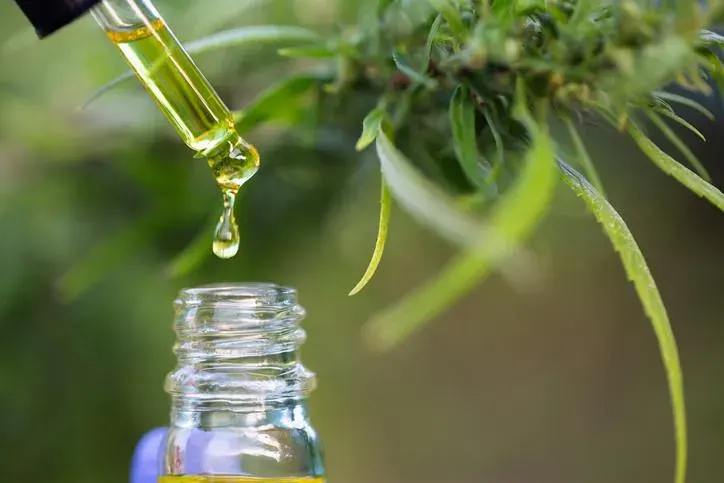
Tinctures: pros, cons, and what to watch out for
Tinctures offer precise dosing and long shelf life, but they also come with trade-offs like alcohol taste and slower onset. Here's a balanced look at the main advantages and disadvantages.
| Aspect | Pros | Cons |
|---|---|---|
| Dosing | Precise measurement with dropper; easy to adjust. | Onset can vary from person to person. |
| Discretion | Odorless, no smoke, easy to use anywhere. | Alcohol smell may be noticeable. |
| Shelf life | Alcohol-based tinctures last years when stored properly. | Glycerin tinctures may spoil faster. |
| Taste | Can be flavored or taken under the tongue. | Alcohol taste can be harsh for some. |
| Solvent concerns | Alcohol extracts cannabinoids efficiently. | Some worry about alcohol intake; glycerin less efficient. |
| Onset | Sublingual absorption is faster than edibles. | Still slower than smoking or vaping. |
For most people, the pros outweigh the cons, especially if you value precise dosing and long-term storage. If you're sensitive to alcohol, look for glycerin-based options or discuss with a professional.
Alcohol vs. glycerin tinctures: which is more effective?
The solvent affects extraction, shelf life, and taste. Here's how they compare.
| Factor | Alcohol-based tincture | Glycerin-based tincture |
|---|---|---|
| Extraction efficiency | High—extracts cannabinoids and terpenes well | Moderate—good for dissolving gums and resins, but less efficient for some compounds |
| Shelf stability | Long (years if stored properly) | Shorter—is not as shelf-stable as alcohol-based tinctures |
| Taste | Strong alcohol flavor | Sweet, mild taste |
| Health considerations | Small amount of alcohol—generally safe for most adults | Alcohol-free, suitable for those avoiding alcohol |
| Potency | Typically higher due to better extraction | May be less potent per dose |
Alcohol tinctures are generally more effective for extraction and longer-lasting. Glycerin tinctures are a good option if you prefer no alcohol, but you may need a higher dose.
How fast do tinctures kick in and how strong is the high?
Onset and intensity depend on the method and your individual metabolism. Sublingual use is key.
| Method | Onset time | Duration | Relative strength |
|---|---|---|---|
| Sublingual (under tongue) | 15–30 minutes | 2–4 hours | Moderate to strong—faster onset than edibles (15–30 min sublingual) |
| Swallowed (like an edible) | 30–90 minutes | 4–8 hours | Weaker due to first-pass metabolism |
| Added to food/drink | 30–90 minutes | 4–8 hours | Variable, often less predictable |
For the strongest and fastest effect, hold the tincture under your tongue for 60–90 seconds before swallowing. This allows the cannabinoids to enter your bloodstream directly.
Sublingual administration
Sublingual administration refers to placing a substance under the tongue, where it diffuses into the bloodstream through the thin mucous membrane and rich network of capillaries. This route bypasses the digestive system and liver, avoiding first-pass metabolism, which can significantly reduce the amount of active compounds that reach systemic circulation. As a result, sublingual delivery often leads to faster onset and higher bioavailability compared to oral ingestion. For anyone using tinctures, holding the liquid under the tongue for 60–90 seconds maximizes absorption and effectiveness.
How to make effective tinctures at home: a step-by-step guide
Making your own tincture is possible, but requires care. Tinctures can be an effective way to make the most of your harvest. Here's a basic method.
- Choose your herb and solvent. Use dried, ground cannabis flower. High-proof alcohol (e.g., 190-proof grain alcohol) is best for extraction. Glycerin is an alternative.
- Combine and seal. Place the herb in a jar, cover with solvent, and seal tightly. Shake well.
- Extract. Store in a cool, dark place for 2–6 weeks, shaking daily. Some methods use a slow heat (crockpot) for faster extraction.
- Strain and bottle. Strain through cheesecloth or a fine mesh. Store the liquid in a dark glass dropper bottle.
- Label and store. Note the date and herb used. Keep away from light and heat.
Note: homemade tinctures vary in potency. Lab testing is not available at home, so start with a low dose and adjust.
Are tinctures safe? Alcohol content, side effects, and myths
Tinctures are generally safe when used as directed. The alcohol content in a typical dose is small—similar to a sip of vanilla extract—and is not enough to get you drunk. However, those with alcohol sensitivities or in recovery may prefer glycerin tinctures.
Side effects are rare but can include mild irritation under the tongue, drowsiness, or digestive upset. Myths persist: tinctures will not cause you to fail a drug test unless they contain THC, and they do not produce a "high" from the alcohol itself. Tinctures are fast acting and far more potent than many people expect, so start low and go slow.
How to use tinctures: dosing, sublingual method, and storage tips
Proper use ensures you get the most from your tincture. Follow these steps.
- Shake well. Cannabinoids can settle. Shake the bottle before each use.
- Measure your dose. Use the dropper. Start with a low dose (e.g., 1–2 drops) and wait at least 2 hours before taking more.
- Administer sublingually. Place the drops under your tongue and hold for 60–90 seconds. This allows absorption into the bloodstream.
- Swallow the remainder. After holding, swallow any leftover liquid. Effects will be milder from digestion.
- Store properly. Keep in a cool, dark place away from sunlight. Alcohol tinctures last years; glycerin tinctures have a shorter shelf life.
Consistency is key. Using tinctures at the same time each day helps maintain steady levels in your system.
What are tinctures good for? Conditions and wellness benefits
Tinctures are used for a wide range of conditions. Herbal tinctures are great for helping with all sorts of things, from anxiety and sleep issues to chronic pain and inflammation. Cannabis tinctures, in particular, are often used for pain management, nausea, and appetite stimulation.
Because tinctures allow more consistent and predictable dosing, they are popular among medical users who need precise control. They can also support general wellness, such as immune function or stress reduction. Always consult a qualified professional before using tinctures for a specific medical condition.
For details on services and visits, see the main page about rso oil for cancer.
Sources
Also asked as
- Do tinctures actually work?
- Are tinctures stronger than edibles?
- How effective are cannabis tinctures?
Frequently asked questions
Is vanilla extract just a tincture?
Yes, vanilla extract is essentially a tincture—vanilla beans soaked in alcohol. The same principle applies: alcohol extracts the flavor compounds. Cannabis tinctures work the same way, extracting cannabinoids and terpenes.
Are tinctures stronger than smoking?
Not necessarily. Smoking delivers cannabinoids to the bloodstream almost instantly with high bioavailability (30–50%). Tinctures taken sublingually have lower bioavailability (20–40%) and a slower onset. However, tinctures provide a longer-lasting effect and avoid respiratory risks.
How long do CBD tinctures take to kick in?
When taken sublingually, CBD tinctures typically take 15–30 minutes to take effect. If swallowed, onset can be 30–90 minutes. Factors like metabolism, dose, and whether you've eaten recently can affect timing.
How powerful are tinctures?
Tinctures can be quite powerful, especially when made with high-proof alcohol and high-quality herb. The potency depends on the concentration of cannabinoids. A few drops can produce noticeable effects, so it's important to start with a low dose.
Do tinctures hit as hard as edibles?
Tinctures taken sublingually hit faster and often feel more intense than edibles because they bypass first-pass metabolism. However, the duration is shorter (2–4 hours vs 4–8 hours for edibles). The experience is different—more of a gradual build than a sudden peak.