How to Consume Full Spectrum Oil: Methods, Dosing & Safety
Full spectrum oil can be consumed sublingually (under the tongue), orally (swallowed or in food/drinks), topically, or via inhalation. Sublingual administration offers fast absorption, while edibles take longer to kick in. Always start with a low dose and consult a professional for guidance.
How to Consume Full Spectrum Oil: Every Method Explained
Full spectrum oil offers flexibility in how you take it, each method affecting onset time, duration, and intensity. Here's a breakdown of the most common consumption methods.
- Sublingual administration – Place a few drops under your tongue and hold for 30–60 seconds before swallowing. This allows rapid absorption through the mucous membranes, with effects felt in 15–30 minutes.
- Oral ingestion – Swallow the oil directly or mix it into food and drinks. This method passes through the digestive system, so onset takes 30 minutes to 2 hours, but effects last longer.
- Topical application – Apply the oil to the skin for localized relief. It doesn't produce systemic effects but can help with localized discomfort or skin conditions.
- Inhalation – Vaping or dabbing full spectrum oil provides the fastest onset (within minutes) but may irritate the lungs. Not all oils are suitable for inhalation; check for appropriate formulations.
- Edibles – Incorporate the oil into homemade edibles like gummies or chocolates. This is a convenient way to consume, but dosing can be tricky—start low and go slow.


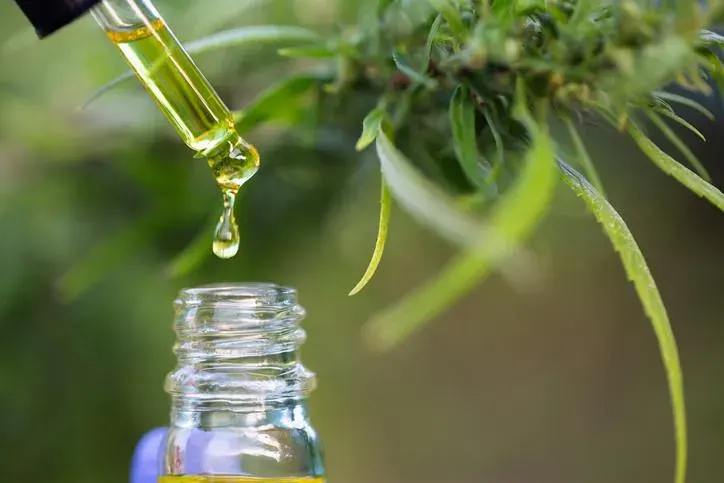
Eating Full Spectrum Oil: Food, Drinks, and Direct Swallowing
Yes, you can eat full spectrum oil or add it to food and drinks. This is a common and convenient method, especially for those who dislike the taste or have difficulty with sublingual use.
- Direct swallowing – Measure your dose using the dropper or oral syringe and swallow it directly. This is the simplest method but results in slower onset (30–60 minutes) as it goes through the digestive system.
- Mix into beverages – Add the oil to coffee, tea, juice, or smoothies. The oil may separate, so stir well. Onset remains similar to direct swallowing.
- Incorporate into food – Mix the oil into butter, sauces, or baked goods. Heating can affect potency, so consider adding it after cooking when possible.
- Use in edibles – Create your own gummies or chocolates with the oil. This allows precise dosing if you measure carefully, but remember that edibles can take 30 minutes to 2 hours to take effect.
Full Spectrum Oil vs. RSO, Distillate, and Live Resin
Understanding the differences helps you choose the right product for your needs.
| Product | Composition | Effects | Best For |
|---|---|---|---|
| Full Spectrum Oil | Contains THC, CBD, CBG, and other cannabinoids plus terpenes | Entourage effect – balanced, whole-plant synergy | General wellness, pain, inflammation |
| RSO (Rick Simpson Oil) | High THC, full spectrum, often potent | Strong psychoactive effects, used for serious conditions | Cancer support, severe pain |
| Distillate | Isolated cannabinoids (e.g., THC or CBD), no terpenes | Predictable but lacks entourage effect | Precise dosing, those avoiding terpenes |
| Live Resin | Full spectrum from fresh-frozen plants, rich in terpenes | Flavorful, potent, entourage effect | Flavor enthusiasts, experienced users |
Full spectrum oil is generally more balanced than distillate, while RSO is more potent in THC. Live resin offers a similar full spectrum profile but with enhanced flavor.
Smoking, Vaping, or Dabbing Full Spectrum Oil: What to Know
Inhalation methods are possible but come with considerations.
| Method | Onset | Duration | Considerations |
|---|---|---|---|
| Smoking | Immediate | 1–3 hours | Harsh on lungs, not ideal for oil |
| Vaping | 2–5 minutes | 1–3 hours | Requires compatible vape pen, may degrade terpenes |
| Dabbing | Immediate | 1–2 hours | High potency, requires specialized equipment, may be overwhelming |
Inhalation offers rapid relief but may not be suitable for everyone, especially those with respiratory issues. Sublingual or oral methods are safer alternatives.
Step-by-Step: Taking Full Spectrum Oil Under the Tongue
Sublingual administration is one of the most effective ways to consume full spectrum oil, offering fast absorption and easy dosing.
- Measure your dose – Use the dropper to measure the desired amount. Start with a small dose, such as 5–10 mg of CBD (or as directed by your provider).
- Place under tongue – Squeeze the oil under your tongue and hold it there for 30–60 seconds. This allows the cannabinoids to absorb through the mucous membranes.
- Swallow – After holding, swallow the remaining oil. Any residue will be processed through digestion, extending the effects.
- Wait for effects – You should feel the effects within 15–30 minutes. If not, you may need a higher dose, but increase gradually.
- Adjust as needed – Keep a journal of your doses and effects to find your optimal amount.
Does Full Spectrum Oil Get You High? THC and the Entourage Effect
Full spectrum oil contains THC, which is psychoactive, so yes, it can get you high—especially in higher doses. However, the presence of CBD and other cannabinoids modulates the effects, often reducing anxiety and paranoia. This is known as the entourage effect, where compounds work together for a more balanced experience.
If you're sensitive to THC, start with a low dose and choose a product with higher CBD to THC ratio. Always consult with a professional to find the right balance for your needs.
Dosing Full Spectrum Oil: How Much to Take and How to Measure
Dosing varies based on individual factors like body weight, tolerance, and condition. Always start low and go slow.
| Factor | Why It Matters | Typical Range (General) |
|---|---|---|
| Body weight | Larger individuals may need higher doses | 1–6 mg per 10 lbs |
| Tolerance | Regular users may require more | Start low, increase gradually |
| Condition severity | Chronic conditions may need higher doses | Varies widely |
| Method of consumption | Sublingual is more bioavailable than oral | Oral doses may be higher |
Measure using the dropper or oral syringe. A common starting dose is 10 drops of a 60mg/ml oil, but always follow your provider's guidance.
What Not to Mix with Full Spectrum Oil: Safety Precautions
While full spectrum oil is generally safe, certain combinations should be avoided. Do not mix with alcohol or sedatives, as this can amplify drowsiness. If you're on prescription medications, especially blood thinners or antidepressants, consult your doctor first, as cannabinoids can interact. Also, avoid mixing with other psychoactive substances without professional advice. Always inform your healthcare provider about your cannabis use.
For details on services and visits, see the main page about rso oil for cancer.
Sources
Also asked as
- What are the ways to take full spectrum oil?
- Can you eat full spectrum oil?
- How do you use full spectrum oil?
Frequently asked questions
Can you ingest full spectrum hash oil?
Yes, you can ingest full spectrum hash oil. It can be swallowed directly, mixed into food or drinks, or taken sublingually. However, hash oil may be more potent, so start with a small dose and wait at least 2 hours before taking more.
What is the most effective way to ingest CBD oil?
Sublingual administration is considered the most effective for fast absorption and higher bioavailability. Placing the oil under your tongue for 30–60 seconds allows it to enter the bloodstream directly, with effects felt within 15–30 minutes.
What can you do with full spectrum oil?
Full spectrum oil can be used sublingually, added to food and drinks, applied topically, or used in edibles. It can also be vaped or dabbed if the formulation is suitable. Each method offers different onset times and effects.
Does full spectrum get you higher?
Full spectrum oil contains THC, so it can produce a high, but the presence of CBD and other cannabinoids may modulate the psychoactive effects, resulting in a more balanced experience compared to THC isolates.
What should you not mix with CBD oil?
Avoid mixing CBD oil with alcohol or sedatives, as it can increase drowsiness. Also, consult your doctor before combining with prescription medications, especially those with grapefruit warnings, as CBD can interact with liver enzymes.