Is Pure Vegetable Oil Healthy? The Truth Explained
Pure vegetable oil can be healthy if chosen and used wisely. Cold-pressed olive, avocado, and canola oils are better choices, while highly processed seed oils high in omega-6 may promote inflammation when overused. Balance and heat stability matter most.
Is Pure Vegetable Oil Healthy? The Honest Answer
Yes, pure vegetable oil can be healthy, but it depends on the type, how it's processed, and how you use it. The term 'vegetable oil' covers a wide range—from cold-pressed olive oil to highly refined soybean or corn oil. The healthiest choices are those rich in monounsaturated fats and low in omega-6 fatty acids, like olive oil and avocado oil.
Concerns about vegetable oils often center on processed seed oils like soybean, corn, and cottonseed, which are high in omega-6 fatty acids. While omega-6 is essential, excessive intake relative to omega-3 can promote inflammation. However, moderate use of these oils in a balanced diet is not inherently harmful for most people.
The key is to prioritize oils that are minimally processed, use them at appropriate temperatures to avoid oxidation, and incorporate them into an overall anti-inflammatory diet. For those seeking guidance on reducing inflammation, our team at RSO Help offers free consultations and can discuss dietary strategies alongside other options. rso oil for cancer patients often need to manage inflammation carefully, and we can help.
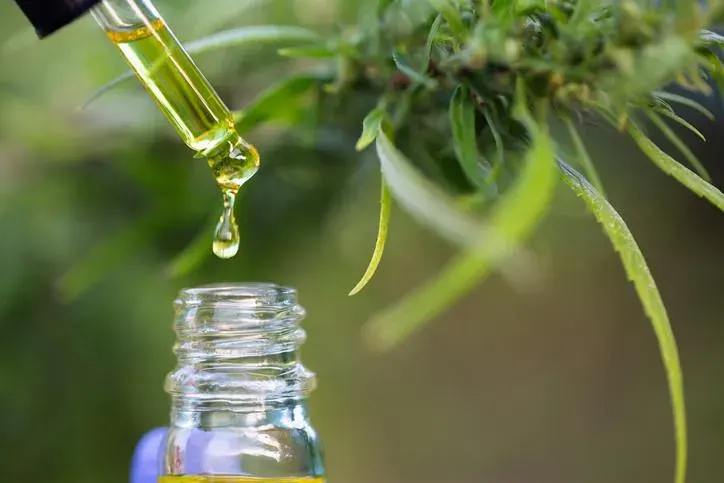


How to Cook with Vegetable Oils: Best Choices for High Heat and Everyday Meals
- Match oil to heat: For high-heat cooking like frying, use oils with a high smoke point—avocado, peanut, or refined canola oil. These resist oxidation and maintain stability.
- Use olive oil for low-to-medium heat: Extra virgin olive oil is best for sautéing or roasting at moderate temperatures. Its antioxidants can be lost at very high heat.
- Store oils properly: Keep oils in a cool, dark place to slow oxidation. Avoid reusing frying oil multiple times, as repeated heating degrades it.
- Balance your fats: Rotate between olive, avocado, and canola oils to get a mix of monounsaturated and polyunsaturated fats without overloading on omega-6.
- Read labels: Choose 'cold-pressed' or 'expeller-pressed' oils when possible. Avoid partially hydrogenated oils, which contain trans fats.
How Vegetable Oils Affect Your Body: Omega-6, Inflammation, and More
| Effect | Mechanism | Health Impact |
|---|---|---|
| Omega-6 fatty acids | Linoleic acid converts to arachidonic acid | In excess, can promote inflammation; essential in small amounts |
| LDL cholesterol | Polyunsaturated fats can lower LDL | Reduces heart disease risk when replacing saturated fats |
| Oxidation | Heat or light causes free radical formation | Damaged oils may contribute to cellular stress |
| Inflammation | Imbalance of omega-6 to omega-3 | Chronic inflammation linked to many diseases |
| Blood sugar | High-fat meals can affect insulin sensitivity | Moderation is key for metabolic health |
Understanding these effects helps you make informed choices. For more on managing inflammation, see our guide on cancer best anti-inflammatory pill.
Which Vegetable Oils Are Healthiest? A Comparison
| Oil | Fat Profile | Best Use | Health Notes |
|---|---|---|---|
| Olive oil (extra virgin) | High monounsaturated | Low-medium heat, dressings | Rich in antioxidants; heart-healthy |
| Avocado oil | High monounsaturated | High heat, frying | High smoke point; neutral flavor |
| Canola oil | Low saturated, some omega-3 | Medium-high heat, baking | Good balance; widely available |
| Peanut oil | High monounsaturated | Frying | Stable at high heat; nutty taste |
| Soybean oil | High polyunsaturated (omega-6) | Frying, processed foods | Use sparingly; high omega-6 |
| Coconut oil | High saturated fat | Baking, medium heat | May raise LDL; use in moderation |
For heart health, prioritize olive and avocado oils. For a deeper dive, check our article on heart-healthy oil.
Should You Avoid Certain Vegetable Oils? What the Science Says
A good fit if…
- You want to reduce inflammation and are willing to swap out highly processed seed oils.
- You cook at high heat and need oils with high smoke points.
- You have a family history of heart disease and want to lower LDL cholesterol.
Consider another option if…
- You have a soy or peanut allergy—avoid those oils.
- You follow a very low-fat diet for medical reasons.
- You rely heavily on fried foods; even healthy oils can't make fried food healthy.
Ultimately, the decision depends on your health goals and cooking habits. Moderation and variety are safer than eliminating all oils.
What Do Experts Really Say About Vegetable Oils?
Nutrition experts generally agree that vegetable oils are not inherently toxic, but quality matters. The American Heart Association supports replacing saturated fats with unsaturated fats like olive or canola oil to reduce heart disease risk. However, some researchers caution against excessive omega-6 intake from refined seed oils, linking it to inflammation when omega-3 intake is low.
Studies show that vegetable oils lower LDL cholesterol compared to butter or lard, but the processing method and freshness affect their health benefits. Cold-pressed oils retain more antioxidants and are less oxidized. As with any fat, portion control is essential.
For those managing chronic conditions, consulting a healthcare provider is wise. At RSO Help, we offer free consultations to discuss dietary strategies and other supportive measures. Cancer best herbs for inflammation and joint pain can complement a healthy diet.
For details on services and visits, see the main page about rso oil for cancer.
Sources
Also asked as
- Are seed oils bad for you?
- What is the healthiest oil for cooking?
- Does vegetable oil cause inflammation?
Frequently asked questions
Is vegetable oil safe for you?
Yes, in moderation and when chosen wisely. Cold-pressed oils like olive and avocado are safer, while highly processed seed oils high in omega-6 should be limited. Always use oils within their smoke point to avoid harmful compounds.
Is it safe to drink 1 tablespoon of olive oil daily?
Drinking olive oil is generally safe and may offer health benefits due to its monounsaturated fats and antioxidants. However, it's calorie-dense, so it should fit within your daily calorie needs. Some people may experience digestive discomfort, so start with a smaller amount.
What are the nutritional facts for canola oil?
Canola oil contains about 120 calories per tablespoon, with 14 grams of fat—mostly monounsaturated and polyunsaturated. It has a low saturated fat content and a small amount of omega-3 fatty acids, making it a heart-healthy option when used in moderation.
Is canola oil the same as vegetable oil?
No. Canola oil is a specific oil from the rapeseed plant, while 'vegetable oil' is a blend of various plant oils, often soybean, corn, or sunflower. Canola oil has a lower saturated fat content and a more neutral flavor, making it a popular choice for baking and cooking.
What is the unhealthiest oil to cook with?
Partially hydrogenated oils (trans fats) are the unhealthiest, but they are banned in many places. Among common oils, those high in saturated fats like palm oil or coconut oil may raise LDL cholesterol. Highly refined seed oils with high omega-6 can also be problematic if overused.