Is Rick Simpson Oil Indica or Sativa?
Rick Simpson Oil (RSO) is not inherently indica or sativa. It is a full-spectrum extract made from cannabis flower, so its classification depends entirely on the strain of cannabis used to produce it. An RSO made from an indica strain will have indica-dominant effects, while one made from a sativa strain will have sativa-dominant effects.
Is Rick Simpson Oil Indica or Sativa?
Rick Simpson Oil (RSO) is not inherently indica or sativa. It is a full-spectrum extract, meaning it preserves the complete chemical profile of the cannabis plant used to make it. Therefore, the classification—indica, sativa, or hybrid—depends solely on the strain of cannabis flower from which the oil is extracted.
| Strain Type | Typical Effects | Common Uses | Example Strains |
|---|---|---|---|
| Indica | Relaxing, sedating, body high | Pain relief, sleep, muscle relaxation | Northern Lights, Granddaddy Purple |
| Sativa | Energizing, uplifting, cerebral high | Fatigue, mood elevation, daytime use | Super Silver Haze, Sour Diesel |
| Hybrid | Balanced effects depending on ratio | Versatile, tailored to specific needs | Blue Dream, Girl Scout Cookies |
| High-CBD strain | Mild, non-intoxicating, therapeutic | Anxiety, inflammation, seizure disorders | Charlotte's Web, Harlequin |
When choosing RSO, always verify the strain information provided by the manufacturer. This ensures you select an oil that aligns with your therapeutic goals, whether you seek deep relaxation or sustained energy.

What Is RSO and Why Does the Strain Matter?
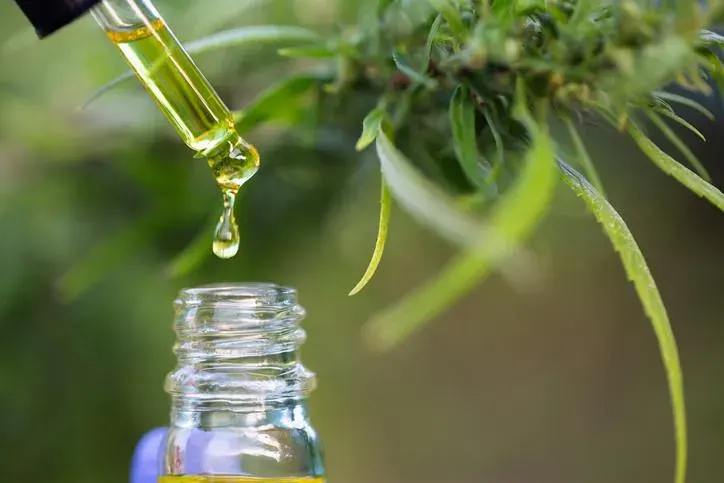
RSO is a full-spectrum cannabis oil made by extracting cannabinoids and terpenes from cannabis flower using a solvent (typically ethanol or isopropyl alcohol). The resulting oil contains the entire chemical profile of the plant, including THC, CBD, CBG, and dozens of other compounds. Because the final product mirrors the source plant, the strain used is critical.
- Select the cannabis strain. The grower chooses a strain based on its cannabinoid and terpene profile. Indica, sativa, or hybrid—each offers a unique therapeutic fingerprint.
- Extract with solvent. The flower is soaked in a solvent to strip away the active compounds. This process yields a dark, thick oil rich in all the plant's constituents.
- Purge the solvent. Heat and vacuum are applied to remove the solvent, leaving behind the pure oil. The final product is highly concentrated—often 60–90% THC.
- Test for potency and purity. Lab testing confirms cannabinoid levels, terpene content, and ensures no residual solvents or contaminants remain.
Because RSO is unrefined, it retains the strain's original character. An indica strain produces an RSO with sedative, body-focused effects; a sativa strain yields a more stimulating, cerebral experience. This is why knowing the source strain is essential for predicting how the oil will affect you.
How to Take RSO: Dosing, Methods, and Safety
Using RSO safely and effectively requires careful dosing and proper method. Start low and go slow—especially if you are new to high-potency cannabis extracts. Always consult with a healthcare professional before beginning any new regimen.
- Start with a rice-grain-sized dose. A typical starting dose is about 1/4 to 1/2 of a grain of rice (roughly 10–25 mg of oil). Place the oil under your tongue or on a small piece of food.
- Choose your delivery method. RSO can be taken orally (sublingually or swallowed), mixed into food or drink, or used with a rectal syringe for those who cannot tolerate oral intake. Do not vape or smoke RSO—it is not designed for inhalation and may contain residual solvents.
- Wait at least 2 hours before redosing. Effects can take 30 minutes to 2 hours to appear, especially when taken orally. Do not take more until you understand how your body responds.
- Store in a cool, dark place. RSO is sensitive to heat and light. Keep it in a sealed container away from direct sunlight to preserve potency.
- Monitor for side effects. Common effects include drowsiness, dry mouth, and changes in coordination. If you feel uncomfortable, reduce your dose next time.
For more detailed guidance on mixing RSO with food, see our guide on what you can mix RSO with. If you have questions about dosing, our team is available 7 days a week via phone, video call, or text to help you develop a personalized protocol.
The Story of Rick Simpson and His Oil
Rick Simpson Oil is named after Rick Simpson, a Canadian engineer who developed the extraction method in the early 2000s. After being diagnosed with skin cancer, Simpson reportedly used a homemade cannabis oil to treat his lesions, claiming success. He then began sharing his recipe and protocol with others, advocating for the use of high-THC, full-spectrum cannabis oil for various medical conditions.
Simpson's original recipe called for using indica-dominant strains, believing them to be more effective for his purposes. However, he emphasized that the oil should be made from whole, unprocessed cannabis flower—not trim or leaves—to maximize potency. Today, RSO is produced by many manufacturers using a variety of strains, and the term has become generic for any full-extract cannabis oil made via solvent extraction.
Rick Simpson is still alive as of 2025 and continues to advocate for cannabis oil. He has not been directly involved in commercial production, but his name remains synonymous with this potent, dark oil. The story of RSO is one of grassroots medicine—a patient-developed treatment that has gained global attention despite limited formal research.
RSO for Medical Conditions: What the Evidence Says
RSO is widely used by patients seeking relief from serious conditions, particularly cancer, chronic pain, and inflammation. The evidence is mixed: while many anecdotal reports describe significant improvements, rigorous clinical studies are limited. The National Cancer Institute (NCI) acknowledges that cannabinoids may have anti-tumor effects in laboratory settings, but human trials are insufficient to draw firm conclusions.
For pain management, some studies suggest that full-spectrum cannabis extracts can be effective, especially for neuropathic pain. However, the high THC content of RSO means it may cause psychoactive effects, which can be undesirable for some patients. Always discuss cannabis use with your doctor, especially if you are taking other medications.
Our team has worked with over 10,000 cancer patients, providing customized protocols that pair RSO with conventional treatments. We offer free consultations to help you understand how RSO might fit into your care plan. Remember, this information is for educational purposes only and has not been evaluated by the FDA.
RSO vs. Distillate vs. FSO: Which Is Right for You?
RSO, distillate, and FSO (Full Spectrum Oil) are three different types of cannabis extracts. Each has a unique production process and chemical profile, making them suitable for different needs.
| Product | Production Method | Cannabinoid Profile | Typical Use | Potency |
|---|---|---|---|---|
| RSO | Solvent extraction (ethanol/isopropyl) | Full spectrum—all cannabinoids & terpenes | Medical, high-dose therapy | Very high (60–90% THC) |
| Distillate | Winterization & distillation | Isolated THC or CBD (no terpenes) | Vaping, edibles, precise dosing | High (80–95% THC) |
| FSO | CO2 or solvent extraction | Full spectrum (similar to RSO) | Medical, balanced effects | Moderate to high (50–80% THC) |
RSO is ideal for those seeking a whole-plant medicine with the entourage effect, while distillate is better for those who want pure cannabinoids without plant matter. FSO is similar to RSO but often undergoes less rigorous solvent removal. For a deeper comparison, see our article on how to consume full spectrum oil.
Where to Buy RSO Near You
You can find RSO at licensed dispensaries in states with medical or adult-use cannabis programs. Availability varies by location, and not all dispensaries carry RSO. Here’s how to find it near you:
- Search online for dispensaries in your area. Use terms like "RSO near me" or "Rick Simpson Oil dispensary" to find local options.
- Check the product menu. Call or visit the dispensary's website to confirm they carry RSO and ask about the strain used.
- Verify lab testing. Reputable dispensaries provide lab results showing cannabinoid content and purity. Look for a certificate of analysis.
- Consider online ordering. Some providers, including our team at RSO Help, offer direct shipping where legal. We provide lab-tested organic RSO in multiple forms: nasal spray, oral tincture, pure oil, and rectal dosing syringe.
If you need help finding a source or want to discuss your options, call us or use our live chat. We offer free consultations and can help you determine the best product for your needs.
RSO Potency and Effects: What to Expect
RSO is one of the most potent cannabis extracts available. Its effects depend on the strain, dosage, and individual tolerance. Below is a general guide to what you might experience.
| Effect | Indica-Dominant RSO | Sativa-Dominant RSO | Onset Time | Duration |
|---|---|---|---|---|
| Body high | Strong, relaxing | Mild to moderate | 30–90 minutes | 4–8 hours |
| Mental effects | Sedating, calming | Uplifting, focused | 30–90 minutes | 2–6 hours |
| Pain relief | Significant | Moderate | 30–60 minutes | 4–8 hours |
| Appetite stimulation | High | Moderate | Variable | Variable |
Because RSO is so concentrated, even a small dose can produce strong effects. If you are concerned about intoxication, start with a microdose and increase gradually. For more on managing the high, read why RSO might not get you high and how much RSO to feel high.
For details on services and visits, see the main page about rso oil for cancer.
Sources
Also asked as
- Is RSO an indica or sativa?
- Does RSO come from indica or sativa plants?
- What strain is Rick Simpson Oil?
Frequently asked questions
Can you vape Rick Simpson oil?
No, you should not vape RSO. It is made using a solvent extraction process, and residual solvents can be harmful when inhaled. RSO is designed for oral or rectal use only.
What is the difference between an RSO syringe and an edible?
An RSO syringe contains concentrated oil that you can dose precisely, while an edible is a food product infused with cannabis. RSO syringes allow you to control your dose more accurately than most edibles, which often have pre-measured amounts.
Is all RSO full-spectrum?
Yes, by definition RSO is a full-spectrum extract. It retains all cannabinoids, terpenes, and other compounds from the source plant. However, not all products labeled as RSO meet this standard—always check lab results to confirm.
Will RSO get me stoned?
Yes, RSO typically contains high levels of THC (60–90%), so it can produce psychoactive effects. The intensity depends on the dose, strain, and your tolerance. Start with a small amount to gauge your response.
What does RSO high feel like?
The high from RSO varies by strain. Indica-dominant RSO tends to produce a heavy, relaxing body high that may lead to sleepiness. Sativa-dominant RSO often feels more uplifting and cerebral. Many users describe it as a deep, long-lasting experience.